
Supreme Court rejects Meta's appeal in Vermont social media addiction case
National Court News

The Supreme Court on Tuesday rejected a push to avoid a lawsuit alleging that Facebook and Instagram harmed young users, a decision that comes as social media companies increasingly face legal scrutiny.
Parent company Meta Platforms Inc. appealed after Vermont's highest court allowed a suit filed by its attorney general in 2023 to move forward. The company is facing similar lawsuits from states across the country, accusing it of knowingly designing addictive features.
Meta had argued that it can't be sued in Vermont court because neither the company nor the app design has specific ties to the state. Vermont countered that the sites' large number of teen users gives its courts jurisdiction.
The Supreme Court declined to hear the appeal in a brief, unexplained order, as is typical. The procedural decision comes after court losses for Meta and YouTube in social media addiction lawsuits in California and New Mexico.
Vermont's lawsuit was filed after an investigation by a bipartisan coalition of attorneys general in several states. Newspaper reports based on Meta's own research also found that the company knew about the harms Instagram can cause teenagers — especially teen girls — when it comes to mental health and body image issues. One internal study cited 13.5% of teen girls saying Instagram makes thoughts of suicide worse and 17% of teen girls saying it makes eating disorders worse.
Almost all teens ages 13 to 17 in the U.S. report using a social media platform, with about a third saying they use social media "almost constantly," according to the Pew Research Center.
Meta, for its part, has said that it has already introduced dozens of tools to support teens and their families and suggested it would have worked with the states on standards for youth social media use.
Vermont Attorney General Charity Clark applauded the decision, saying it affirms "that companies that choose to do business in Vermont, like Meta, can be held accountable when they harm kids."
Related listings
-
Tax reform may grow donor base but shrink overall nonprofit contributions
National Court News 03/17/2026Millions more Americans will likely donate to nonprofits following changes in tax laws passed by Congress last summer, but those changes will also likely reduce the overall amount of money given to charity, according to new research.The report from t...
-
Trump administration's 'third country' deportation policy is unlawful, judge rules
National Court News 02/26/2026The Trump administration's latest policy of deporting immigrants to "third countries" to which they have no ties is unlawful and must be set aside, a federal judge ruled Wednesday in a case that already reached the nation's highest court.U.S. Distric...
-
Court agrees to hear from oil and gas companies trying to block climate change lawsuits
National Court News 02/23/2026The Supreme Court said that it will hear from oil and gas companies trying to block lawsuits seeking to hold the industry liable for billions of dollars in damage linked to climate change.The conservative-majority court agreed to take up a case from ...
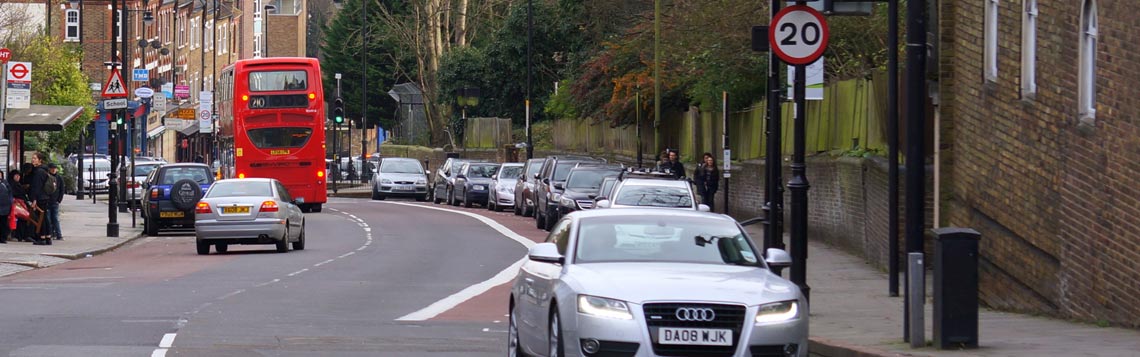
Does a car or truck accident count as a work injury?
If an employee is injured in a car crash while on the job, they are eligible to receive workers’ compensation benefits. “On the job” injuries are not limited to accidents and injuries that happen inside the workplace, they may also include injuries suffered away from an employee’s place of work while performing a job-related task, such as making a delivery or traveling to a client meeting.
Regular commutes to and from work don’t usually count. If you get into an accident on your way in on a regular workday, it’s probably not considered a work injury for the purposes of workers’ compensation.
If you drive around as part of your job, an injury on the road or loading/unloading accident is likely a work injury. If you don’t typically drive around for work but are required to drive for the benefit of your employer, that would be a work injury in many cases.
If you are out of town for work, pretty much any driving would count as work related. For traveling employees, any accidents or injuries that happen on a work trip, even while not technically working, can be considered a work injury. The reason is because you wouldn’t be in that town in the first place, had you not been on a work trip.
Workers’ compensation claims for truck drivers, traveling employees and work-related injuries that occur away from the job site can be challenging and complex. At Krol, Bongiorno & Given, we understand that many families depend on the income of an injured worker, and we are proud of our record protecting the injured and disabled. We have handled well over 30,000 claims for injured workers throughout the state of Illinois.